Primary 2 · Math · Singapore
At Genius Plus Academy, Primary 2 math is where multiplication, division and the first real word problems arrive. We introduce the bar model and the 4-Box Planner early, so your child learns to draw and plan a problem before solving it. Very small classes (P1 to P2 max 4), every lesson recorded, taught from our own in-house books.
Built for the 2026 Primary 2 cohort · last reviewed 20 Jun 2026
What we build in P2
Where the method takes root
How P2 math is taught here
In P1 a question is mostly a sum to compute. In P2 it becomes a short story to read, understand and translate. This is the year multiplication and division arrive, and the year word problems begin in earnest. Children who learn to draw and plan a problem now sail into P3; those who only guess at the operation start to fall behind. So we teach the thinking, not just the answer.
We teach the 2, 3, 4, 5 and 10 times tables as equal groups, shown with arrays and repeated addition first, so a child understands why 3 fours is 12 before being asked to recall it quickly.
The bar model is GPA's visual signature, and P2 is the right moment to begin it. We draw one bar and one part at a time, so the structure of a "how many more" or "altogether" problem becomes something a child can see.
Our planner asks four calm questions of every word problem: what is given, what is asked, what is the relationship, and what is the plan. Made a habit in P2, it becomes automatic by the time problems get hard.

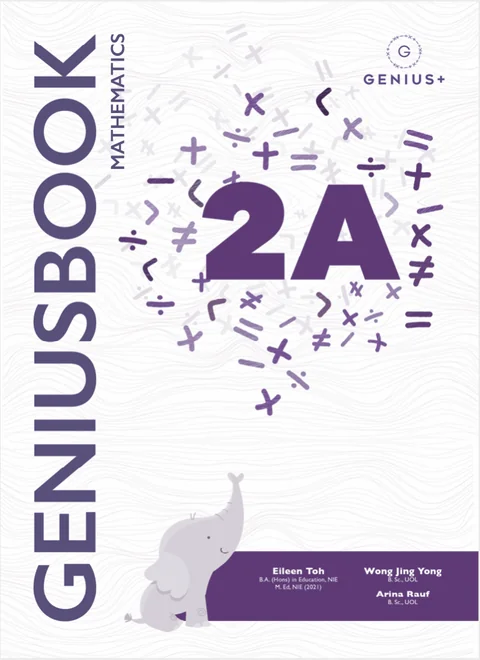
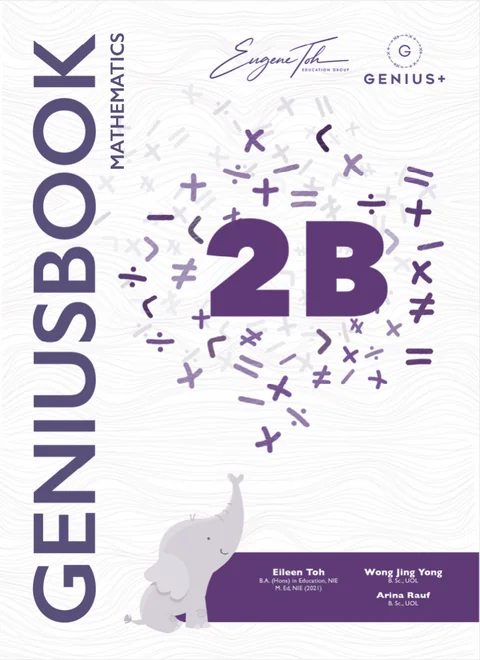
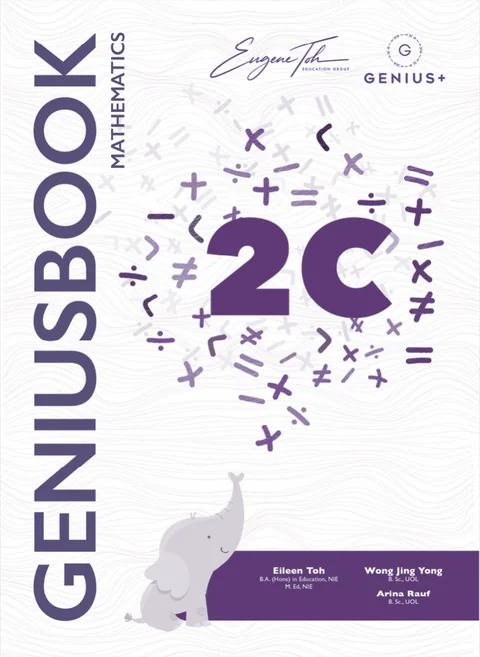
Your child learns from a complete, in-house curriculum, we write and publish our own, 60+ textbooks and 40+ workbooks, refined over eight years. The P2 workbooks drill multiplication and division with care, and ease word problems in gradually, so the jump into P3 never feels sudden.
See how we write our materials →The bridge year
The P2 to P3 jump catches many families by surprise. Suddenly there are longer word problems, two-step questions and far less hand-holding. The children who cope are usually the ones who, in P2, learned to read a problem properly and reach for a drawing instead of a guess. That is the habit we build here, a year before it is urgently needed.
The biggest P2 trap is computing before understanding. We slow that step down until it is reliable.
A bar model is not decoration. It is how a young child holds a two-step problem in their head without losing the thread.
Shaky times tables quietly slow everything in P3 and P4. We make them automatic while there is still time.
Schedule & fees
| Class | Day & time | Branch | Availability |
|---|---|---|---|
| P2 Math | Tuesday, 3pm to 4:30pm | Bukit Timah (Coronation Plaza) | Places available |
Live class availability, refreshed from our class roster (last updated 2026-06-22). Current fees are confirmed at your free diagnostic consult, and financial assistance is available case by case for families with genuine need.
"My child was scoring AL6 for Math in P6 Term 1, improved to AL5 in Term 2, then AL4 in Prelims. The lessons are cast on a huge TV screen so every student can see clearly. There are constant updates, recorded lessons, and so much support."
Based on GPA's internal tracking of recent cohorts; individual results vary with each student's starting point and effort.
Where P2 leads next
The bar model and 4-Box Planner your child meets in P2 are the same tools they will lean on for word problems all the way to PSLE. Joining the weekly programme now means the method never resets, it only deepens.
Before you decide
We begin every child with a friendly diagnostic so we can see whether the gap is in times tables, in reading a problem, or simply in confidence, then recommend only what your child actually needs.
Free for P2 parents
How to help a P2 child read a word problem, draw a simple bar model, and choose the right operation without panic. A short, practical guide, sent to your inbox.
Yes, and P2 is the ideal time to start. Most word-problem trouble is not a maths problem at all; it is a reading-and-planning problem. We teach the 4-Box Planner and the bar model so your child learns to understand a problem before reaching for an operation, which is the habit that carries through to PSLE.
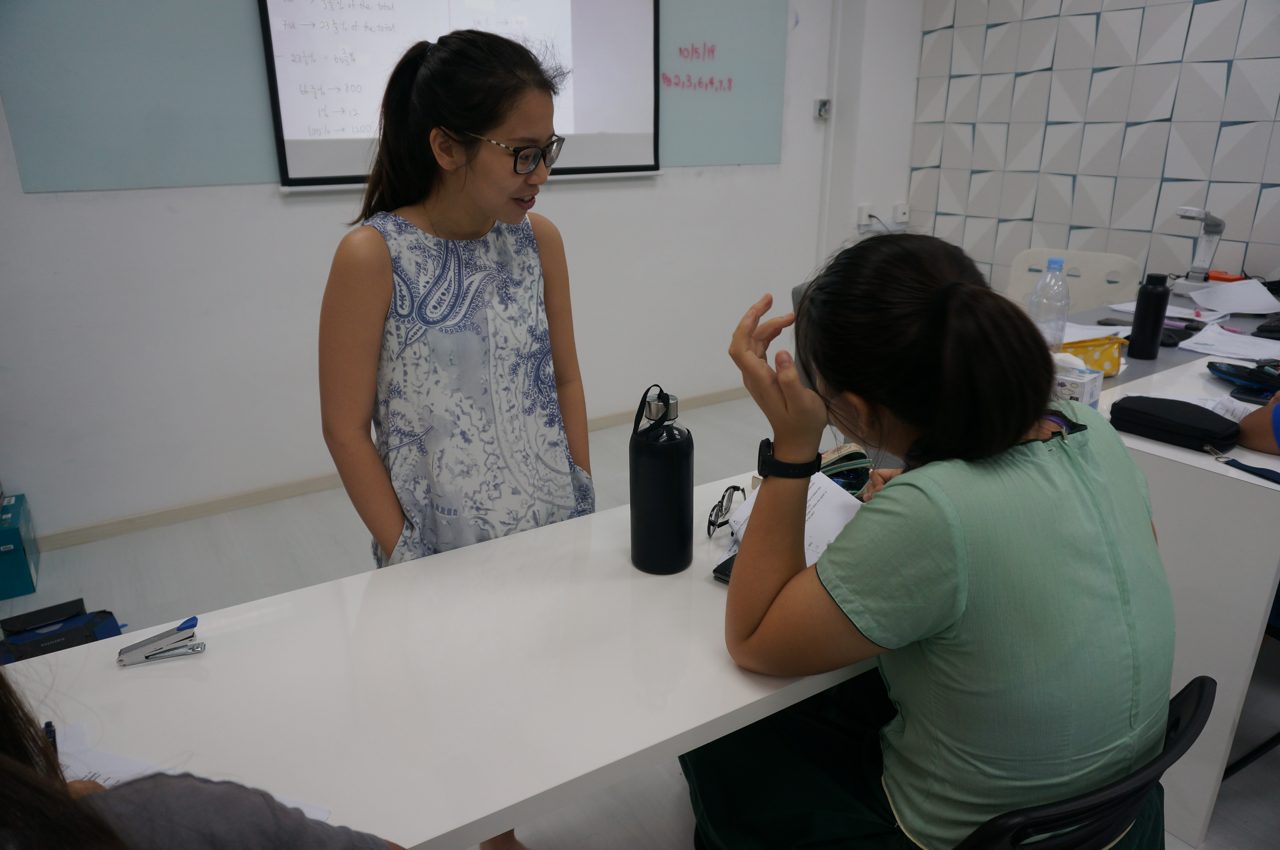
P1 and P2 classes are capped at four students, the smallest tier we run, because the youngest learners need close attention as new ideas like multiplication and word problems arrive. Every lesson is recorded for rewatching, and homework is marked and returned with personalised feedback each week.
Eventually, yes, but understanding comes first. We teach multiplication as equal groups and repeated addition so a child sees why an answer is true, then we build quick recall on top of that understanding. Tables learned this way are far stickier than tables only chanted.
The P2 syllabus extends numbers to 1,000, introduces multiplication and division (the 2, 3, 4, 5 and 10 tables), brings in length, mass, volume, money, time, simple fractions and the first multi-step word problems. We cover all of it, and we anchor the word-problem work in the bar model and the 4-Box Planner.
Yes, a free trial lesson, one per child, starting with a short diagnostic. No pressure and no hard sell, we would rather you make a properly informed decision than a rushed one.
Start here
Book a free trial and diagnostic. We will see how your child reads a problem and tell you honestly what we think, whether or not you ever join us.
Free trial · about an hour · a real diagnostic · no obligation, no hard sell.